Top Rated Janitorial Services
Food safety and commercial cleaning experts in Brampton assist you in maintaining restaurants, commissaries, bakeries, warehouses, and food service units to code. They sanitize high-touch points, food preparation zones, equipment, floors, drains, restrooms, and food handling zones using certified sanitizers, correct concentration, and documented exposure durations.
Key Takeaways
- Sanitation professionals from Brampton assist restaurants, grocery departments, commissaries, warehouses, bakeries, schools, mobile vendors, and allergen-sensitive operations.
- Cross-contamination prevention is achieved by sanitizing frequently contacted areas, food-contact equipment, kitchens, floors, drains, restrooms, and storage areas with zone-based workflows.
- Approved sanitizer dilution, alignment, and exposure duration are verified by qualified providers, with finishing recorded via samples, assessments, and corrective-action records.
- Sound hygiene schedules consider hazard, throughput, switches, releases, and regulations when allocating routine, regular, and annual activities by location.
- Choose suppliers with hazard analysis knowledge, public-health, competency, WHMIS, preparation, protection, testimonials, coded tools, and assessment-ready cleaning records.
Food Safety Cleaning Requirements for Brampton Operations
You must maintain food safety cleaning if your establishment is regulated by health department oversight, food standards, or HACCP requirements. This covers restaurants, cafeterias, commissaries, grocery food departments, butcher shops, seafood counters, convenience stores, and institutional kitchens.
Proper hygiene protocols is needed in supply warehouses, processing plants, freezer locations, commercial bakeries, school food programs, reception facilities, and food delivery centers. Portable temporary ventures apply similarly, such as food trucks, event sellers, and temporary stalls. Your facility needs written cleaning standards when your employees process ingredients, portion ready-to-eat items, reheat products, or store allergens. In Brampton, sanitation is not optional; it represents regulatory, business, and safety compliance.
What Services Do Brampton Cleaning Experts Provide?
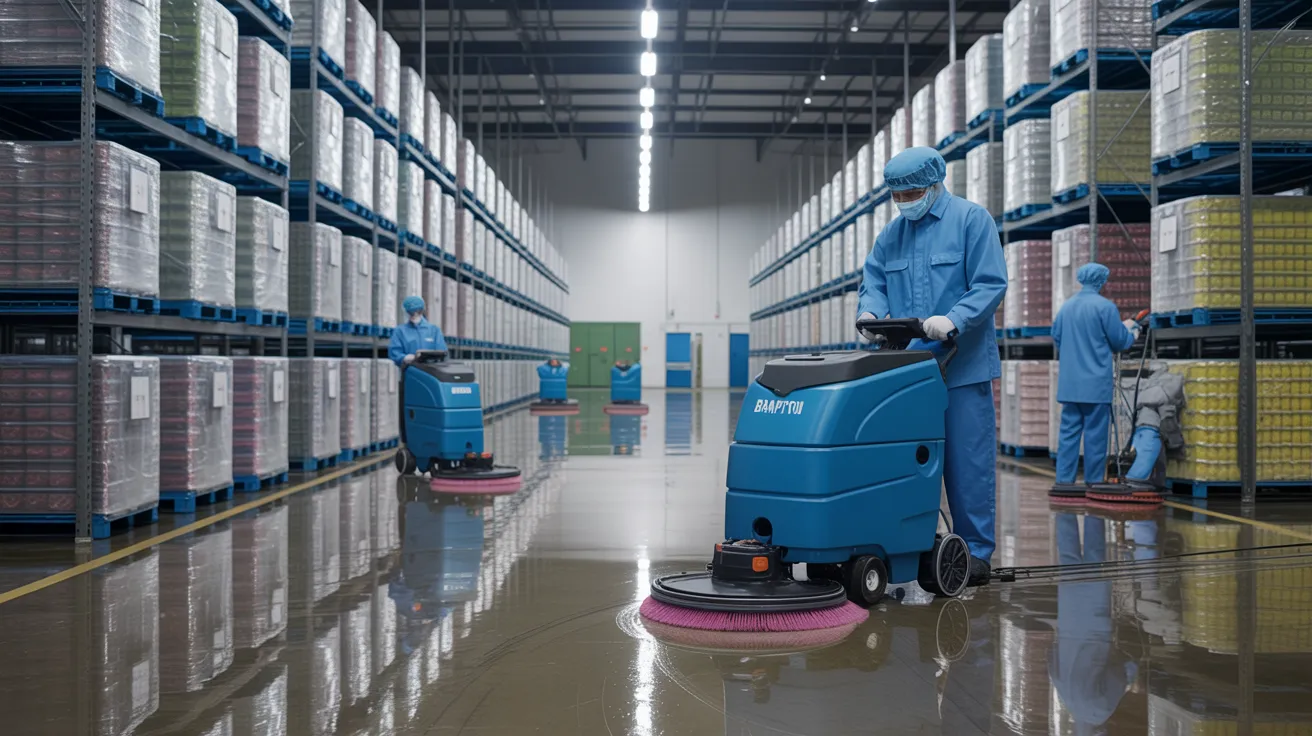
You require experienced cleaning professionals who disinfect high-touch surfaces, cooking areas, floor areas, and restroom facilities to ensure compliance with food safety and health standards. These locations are prioritized due to their high cross-contamination potential, falling hazards, and health code violations.
By understanding their service scope, you can make sure your operation's sanitation protocols satisfy all operational and regulatory requirements.
High-Touch Surface Sanitizing
Expert janitorial services highlight high-touch surface cleaning considering the risk of microbes and residue spreading across the location. You should establish a scheduling system for cleaning door handles, push plates, switches, railings, shared equipment controls, POS terminals, and refrigerator pulls. Using touchpoint mapping, professionals identify every frequently handled point and assign cleaning timing
By swapping wipes, maintaining sequential cleaning methods, and separating sanitization equipment according to location, you maintain a quantifiable, well-documented, and compliance-ready sanitizing program.
Kitchen Areas, Floor Surfaces, and Bathroom Spaces
Brampton cleaning services focus on kitchens, floors, and restrooms as each zone presents different sanitation, slip-and-fall, and public health concerns. In industrial kitchens, you need grease removal from cooking stations, appliance surfaces, drain systems, preparation areas, and backsplashes to minimize contamination and pest pressure.
Professional floor upkeep with documentation is also included. is also provided as part of the service.
Restroom sanitation involves disinfecting surfaces, fittings, separators, dispensers, and containers, restocking supplies and controlling odours. They also maintain restaurant cleaning supply rooms where product storage, sink cleanliness, and drain systems impact daily sanitation standards and worker protection.
The Importance of Food Safety Cleaning in Brampton
In Brampton, you must maintain sanitary cleaning practices to satisfy regulatory standards and achieve compliance. You also reduce cross-contamination by cleaning and sanitizing food-contact surfaces, equipment, and high-touch areas correctly. Most importantly, you help protect community wellness by reducing the chance of food poisoning in your establishment.
Regulatory Code Requirements
Since Brampton food operations must follow stringent health requirements, your cleaning procedures directly affects your competence to adhere to health codes, protect diners, and sidestep regulatory penalties. You must maintain sanitary food-contact surfaces, documented cleaning schedules, correct sanitizer application, and documented employee protocols that comply with municipal and provincial inspection expectations.
Failure to maintain cleaning standards creates risks citations, remedial directives, loss of reputation, and operational suspension during subsequent audits or regulatory actions.
Cross-Contamination Avoidance
Following regulatory requirements depends on your ability to prevent cross-contamination in daily food handling and cleaning. You must separate raw ingredients from ready-to-eat foods, sanitize prep surfaces between tasks, and store chemicals away from food-contact items. Well-defined guidelines decrease contamination chances and promote steady regulatory adherence.
Building allergen isolation prevents key allergens from reaching shared surfaces, containers, or equipment. Utilize dedicated cutting boards, color-coded tools, and strict utensil labeling so staff don't mix items in cooking or serving.Enforce handwashing after handling raw meat, seafood, eggs, or allergen-containing products. Refresh cleaning cloths frequently, and confirm sanitizer strength with test strips. When you train staff to follow these controls every shift, you foster a cleaner, more secure operation that meets Brampton's food safety expectations daily.
Public Health Defense
If proper sanitation declines, you don't merely risk a failed inspection—you boost the probability of foodborne illness harming customers, staff, and the broader Brampton region. You also weaken your role in safeguarding community wellness, especially in high-traffic food premises where pathogens travel quickly through surfaces, equipment, and touchpoints.
You must establish sanitation protocols that eliminate soils, disinfect correctly, and verify outcomes. This requires following exposure times, utilizing approved disinfectants, documenting procedures, and training employees to satisfy regulatory standards. These mechanisms support disease prevention by limiting pathogens before contaminating food or surfaces. Across Brampton, effective sanitation safeguards vulnerable groups, limits outbreak risk, and shows your diligence. When you maintain proper protocols, you go beyond requirements—you meaningfully reduce risk and facilitate secure food handling city-wide.
How Can Cleaning Practices Ensure Food Safety Compliance?
Establishing rigorous cleaning routines enhances food safety compliance by reducing contamination risks, limiting pathogen development, and keeping your facility aligned with sanitation requirements under HACCP-based programs and public health regulations. You validate that contact surfaces are visibly clean and microbiologically controlled, enabling documented preventive controls and inspection readiness.
Cleaning initiatives additionally fortify allergen mitigation by extracting residues that can cause undeclared allergen exposure.
Determining When to Plan Commercial Cleaning
maintenance activities.
Separate your periodic cleaning from routine cleaning
What Should You Look For in Brampton Cleaning Experts?
Begin by evaluating providers based on sanitation compliance standards—not solely on budget. You should confirm that each organization comprehends CFIA, public health, and HACCP-based requirements applicable to your facility. Request proof of insurance, WHMIS compliance, staff training documentation, and oversight procedures. Assess whether technicians recognize cross-contamination hazards, chemical handling protocols, and verifiable sanitation records.
You should further examine operational reliability and answerability. Request references from food facilities in Brampton, then review response times, corrective-action procedures, and communication protocols. Validate the company supports supplier audits and can present inspection-ready documentation to authorities or external parties. Confirm equipment receives maintenance, color-coded implements are used appropriately, and site-specific hazards are recognized. A qualified provider ensures regulatory compliance, product integrity, and your reputation in the market.
Which components are part of a hygiene cleaning program?
Establish a documented program that clarifies every sanitation task, standard, and responsibility before production begins. You should list cleaning intervals, permitted substances, dilution percentages, exposure times, instruments, and inspection methods for each zone, surface, and piece of equipment. Add pre-operational inspections, corrective actions, and employee training requirements.
Your plan should also cover cross-contamination controls, waste handling, pest-prevention measures, and documented schedules for restrooms, drains, floors, and food-contact areas. Specify how you'll distinguish raw from ready-to-eat operations, support ingredient tracking, and maintain accurate allergen labeling through validated cleaning between product changes. You should establish accountability, maintain signed records, and check results against regulatory standards, HACCP controls, and customer requirements. When gaps appear, revise procedures immediately and re-educate staff.
Frequently Asked Questions
Will sanitation providers manage overnight shifts at Brampton properties?
Yes, you can arrange cleaning services to accommodate nighttime operations in Brampton facilities. You'll coordinate nighttime cleaning around production schedules, access requirements, and staffing levels. Providers generally create nighttime procedures to reduce interruption, stay compliant, and track completed work. You should confirm arrival schedules, supervision, access procedures, and waste management before starting service.
Are emergency spill response solutions available from Brampton cleaning experts?
Yes, you can locate several Brampton cleaning professionals offering spill containment services. They manage hazardous materials, evaluate risks, isolate zones, and execute rapid cleanup to reduce exposure and limit operational impact. You should verify response times, training credentials, protocols, and procedures. If your facility needs compliance, choose a service that documents incidents, maintains standards, and supports audits.
Do green disinfectants function safely on food-contact surfaces?
Yes, eco-friendly disinfectants can be safe for surfaces contacting food if you pick disinfectants approved for food contact and regulatory compliant. You should check contact duration, concentration levels, and rinse requirements before deployment. Many plant based formulas lower chemical hazards, but you should gather evidence of effectiveness against specific pathogens. To maintain residue free surfaces, you must adhere to exact manufacturer guidelines and ensure the sanitizer adheres to applicable food industry sanitation standards.
Can cleaning schedules adjust with seasonal variations?
Absolutely, cleaning schedules can be customized for production fluctuations. Adapt intervals, personnel, cleaning agents, and confirmation procedures to fit seasonal workflows while maintaining regulatory requirements. Decrease production interruptions through organizing sanitization during changeovers, peak seasons, and equipment use patterns. Also revise written procedures, employee training, and monitoring protocols to address transient threats, novel allergens, or increased soiling. Continuous reviews preserve your program functional.
Do professional cleaners instruct staff members in sanitation best practices?
Indeed, professional cleaners often offer staff training on proper hygiene. Your team receives instruction on proper chemical use, exposure durations, preventing cross-contamination, equipment disassembly, and documentation. They typically follow instruction with HACCP, GMP, and CFIA or local public health criteria. Many also execute sanitation audits to verify compliance, identify gaps, and reinforce corrective actions. This assists you to maintain consistent procedures, achieve compliance, and decrease foodborne illness risks on a daily basis.
Final Thoughts
Partnering with Brampton commercial cleaning and food safety experts goes beyond tidying—it guarantees your operation meets inspection standards and your standards are defensible. From processing facilities to kitchens, each cleaned area and organized section lessens contamination risk and prevents major expenses. By arranging service at suitable frequencies and executing a comprehensive cleaning strategy, you shield staff, clients, and your comprehensive resource image. In a tightly controlled market, clean environments can't be overlooked—they're vital to proper management.